
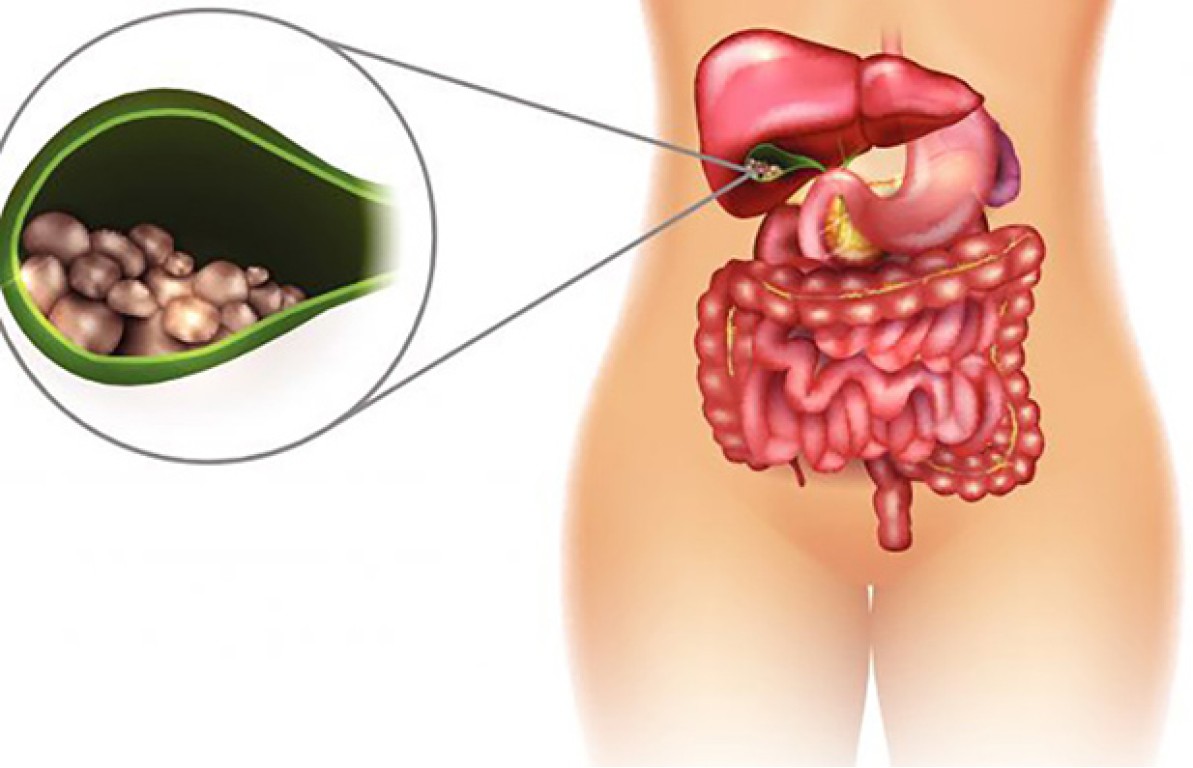
Gallstones vs. Gallbladder Infection: Key Differences You Should Know
Being told you have gallstones is very common. The main question patients usually ask is: Do I always need surgery?
The answer depends on whether you have symptoms, the size of the stones and the presence of complications or risk factors.
The operation to remove the gallbladder —cholecystectomy— is usually performed using laparoscopy, a minimally invasive technique that offers faster recovery, less pain and a very low rate of complications.
When is gallbladder surgery indicated?
Cholecystectomy is recommended in the following situations:
1. When gallstones cause symptoms
Typical symptoms include:
-
Pain in the upper right abdomen or epigastrium
-
Bloating or discomfort after meals
-
Nausea or vomiting, especially after fatty foods
-
Episodes of biliary colic
If symptoms are recurrent, surgery is advised to prevent complications.
2. When complications have already appeared
Gallstones can move and block ducts, leading to serious problems such as:
-
Cholecystitis (inflamed gallbladder)
-
Gallstone pancreatitis
-
Choledocholithiasis (stones in the bile duct)
-
Cholangitis (infection of the bile ducts)
In these cases, surgery is necessary to prevent new episodes and ensure patient safety.
3. When there are risk factors or suspicious findings
Even without symptoms, surgery should be considered if the patient has:
-
Large gallstones
-
Large gallbladder polyps or polyps that grow
-
Porcelain gallbladder
-
Higher-risk patients, such as diabetics
-
Family history of gallbladder cancer
In these situations, elective surgery is safer than waiting for an emergency.
How is the decision made?
The appropriate specialist is a digestive surgeon experienced in laparoscopic gallbladder surgery.
During the consultation, the surgeon will perform:
-
A full medical history
-
Physical examination
-
Review of imaging tests (usually abdominal ultrasound)
Based on this information, the surgeon will determine whether surgery is needed or if monitoring is enough.
Why is timely surgery important?
Complications of gallstones can be serious and appear suddenly.
Planned surgery:
-
Reduces risks
-
Avoids emergency admissions
-
Improves recovery
-
Enhances the patient’s quality of life
If you’ve been diagnosed with gallstones, schedule a specialist evaluation to determine whether surgery is the best option for you.