
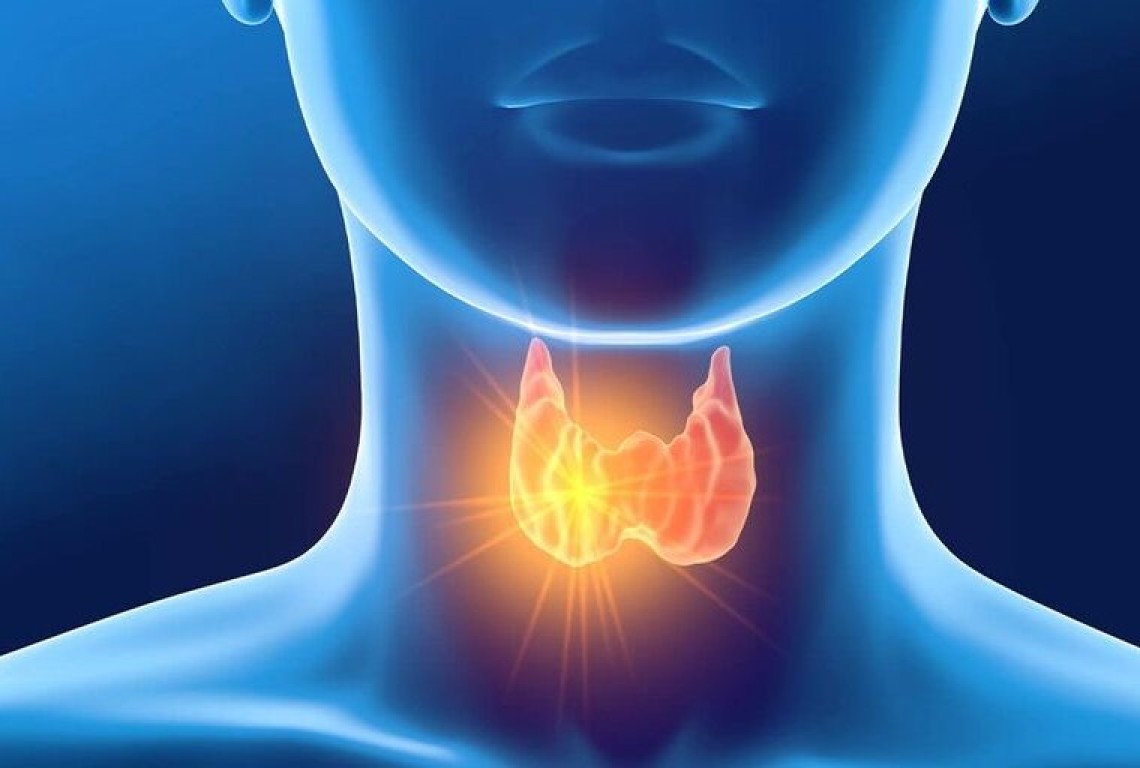
Thyroid Nodules: Common Questions & Why Most Aren’t Dangerous
Being told you have a thyroid nodule can cause understandable concern, but the truth is that most thyroid nodules are benign. With a proper evaluation, your doctor can determine the real level of risk and whether any treatment is needed.
A thyroid nodule is simply a lump within the thyroid gland. It may be discovered because the patient notices a swelling in the neck, or it may appear incidentally during an ultrasound performed for another reason. Since nodules vary greatly in size and appearance, a structured evaluation is essential.
How are thyroid nodules evaluated?
A complete assessment usually includes:
1. Medical history and physical examination
To identify symptoms such as swallowing difficulties, voice changes or relevant family history.
2. Blood tests
Thyroid hormones (TSH, T4) are measured to check whether the gland is functioning normally.
3. Neck ultrasound
This is the key diagnostic tool. It allows the doctor to assess the nodule’s size, shape, borders and vascularity.
Based on its ultrasound features, it can be determined whether further testing is needed.
4. Fine-needle aspiration biopsy (FNA)
If the nodule looks suspicious, a sample of cells is obtained with a thin needle.
These cells are classified according to the Bethesda system, which helps determine the probability of malignancy and guides the treatment plan.
This entire process allows specialists to decide whether the nodule should be monitored, biopsied or removed.
When is surgery recommended?
Surgery is indicated in specific situations:
-
A nodule suspicious or confirmed to be malignant
-
Rapid growth of the nodule
-
Symptoms such as difficulty swallowing, breathing or changes in the voice
-
Size greater than 3–4 cm
-
Family history of thyroid cancer
-
Previous exposure to neck radiation
The goal is always to treat only when necessary, based on real risk.
What does thyroid surgery involve?
Surgery is performed under general anaesthesia and may be:
Hemithyroidectomy (partial thyroid removal)
Only one lobe of the thyroid is removed.
This is appropriate when the nodule is localised and the risk of cancer is low.
Total thyroidectomy
The entire thyroid gland is removed.
This is recommended when cancer is suspected, when nodules affect both lobes, or when there are multiple problematic nodules.
With advances in surgical techniques, nerve monitoring and improved materials, outcomes today are excellent both functionally and cosmetically.
Why it’s important to see an experienced thyroid surgeon
Thyroid nodules should be evaluated by a surgeon trained in endocrine surgery, who can:
-
Correctly interpret the ultrasound and biopsy results
-
Assess the true malignancy risk
-
Provide a personalised treatment plan
-
Minimise complications such as voice changes or calcium imbalance
-
Ensure safe and optimal surgical outcomes
A precise diagnosis and expert management make a significant difference in long-term results.
If you’ve been diagnosed with a thyroid nodule, schedule a specialised evaluation to understand its real risk and choose the most appropriate treatment.